Why Sliding Door Lock Repair & Replacement Requires a Specialist
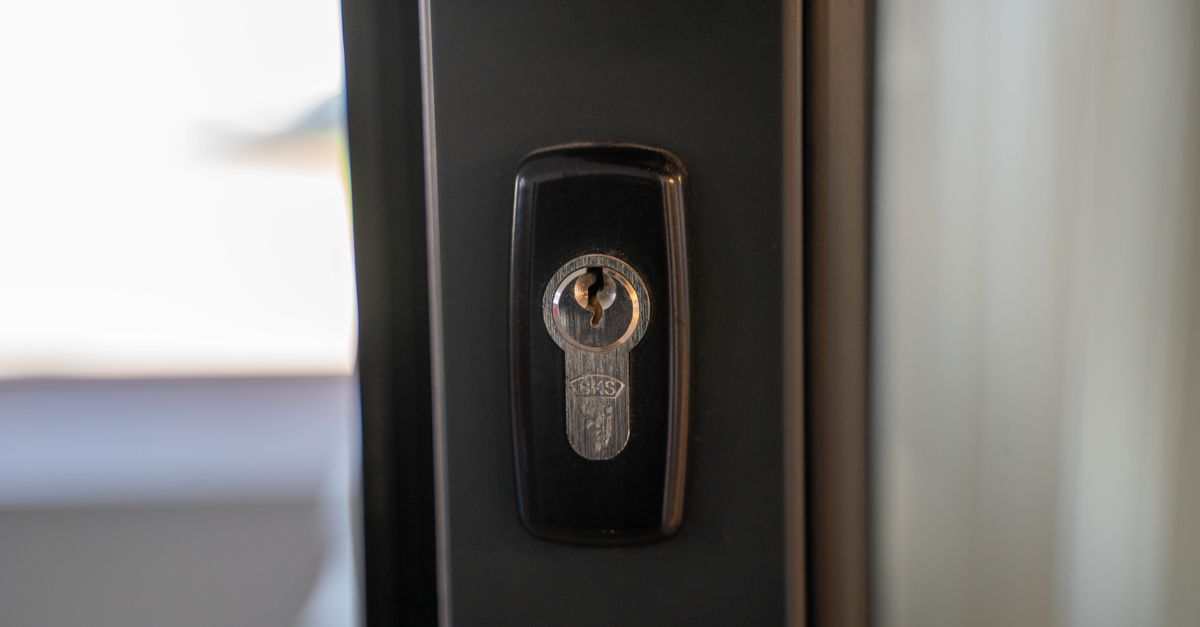
Sliding doors use locking hardware that is fundamentally different from hinged doors. The most common mechanism found on quality sliding doors is the sliding door mortise lock — a self-contained cartridge that houses the latch, deadbolt, and sometimes a multi-point locking bar inside a single mortise pocket cut into the door stile. Because the lock body is recessed and the door travels on a track under constant lateral stress, wear points develop in places a typical door knob lock never experiences. Rollers grind debris into the lock face, the door frame shifts seasonally, and the hook bolt can stop engaging the strike plate entirely without any single visible break. Diagnosing the actual failure point — the cylinder, the cartridge, the strike, or the track alignment — is the first and most important step our technicians take before recommending any repair or replacement.
A mortise lock on a sliding door also comes in a wider range of formats than most homeowners realize: hook bolt mortise locks for wood-frame patio doors, multi-point espagnolette systems common on European-style doors, inline latch sets for lighter aluminum frames, and keyed charlie bars for older vinyl track doors. Commercial properties near the Oak Tree Road corridor frequently use heavy-duty mortise assemblies rated for high-cycle use. Matching the replacement cartridge to the existing pocket dimensions — height, width, backset, and spindle position — is the difference between a clean same-day swap and an expensive callback. Our technicians arrive with a broad inventory of compatible hardware and the gauges to measure before cutting or drilling anything.